


Every minute matters during a stroke.
For ischemic stroke patients, every delay in treatment raises the odds of long-term disability or death. Yet EMTs make these critical calls with limited information, in fast-paced, high-pressure environments.
Partnering with researchers at UCSD Cognovate Labs, our team explored how emerging EEG technology could help EMS identify strokes earlier and route patients to treatment faster. I worked alongside neuroscientists and designers to translate complex medical research into an intuitive tool for first responders.
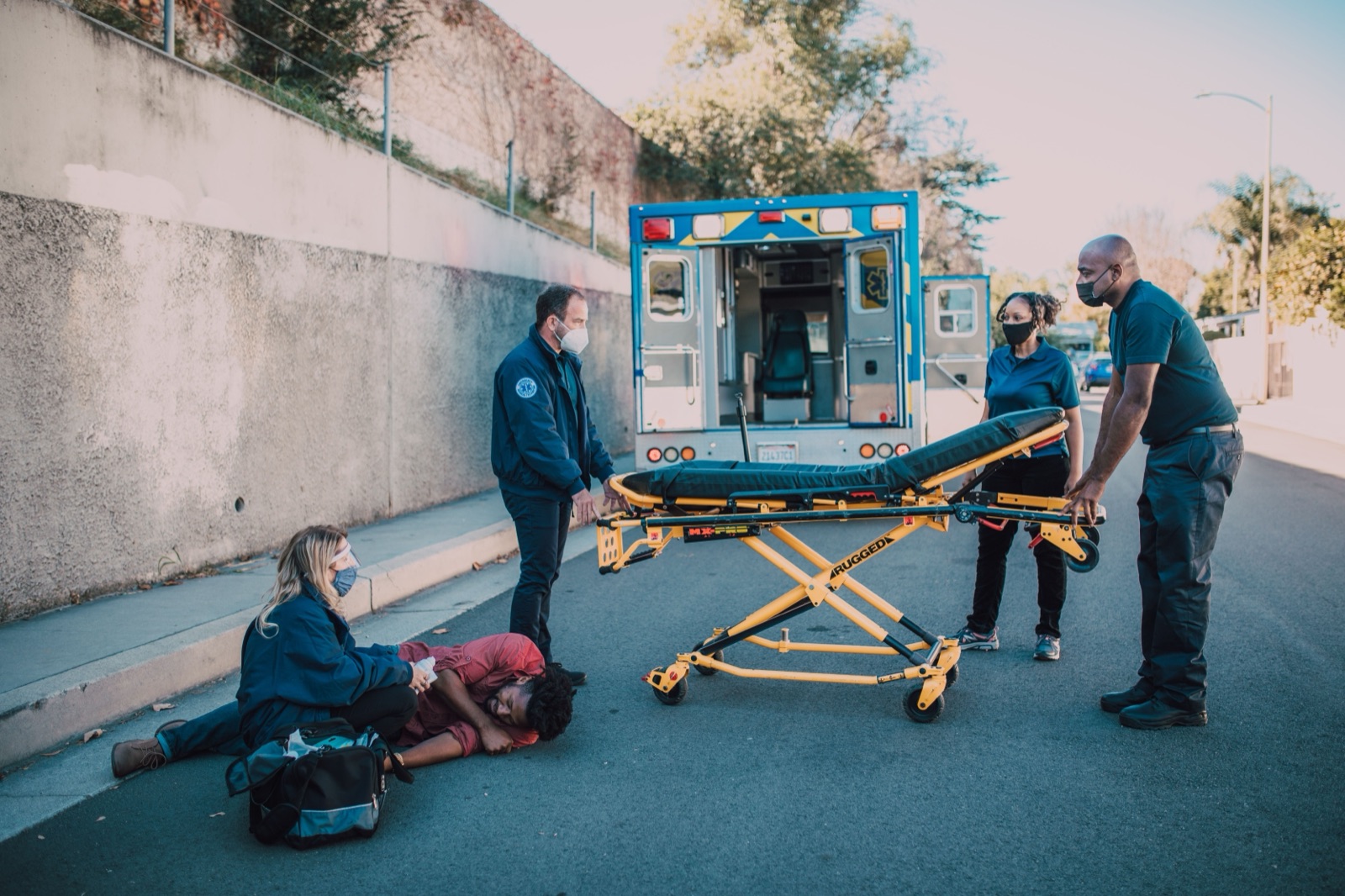
- 4th
Leading cause of death
in the United States.
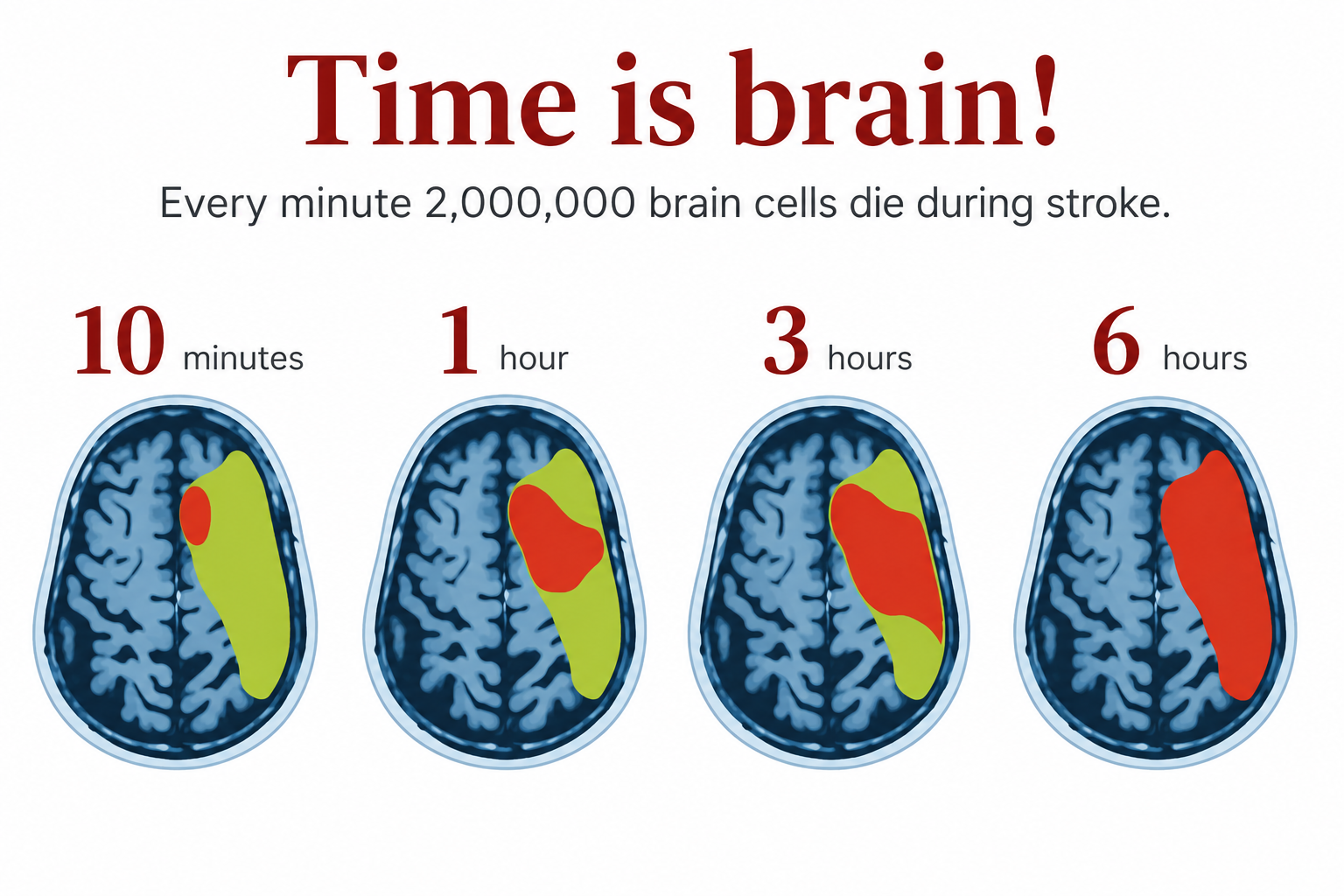
- 1.9M
Neurons lost per minute
of untreated stroke.
- ~22%
Strokes missed
or misdiagnosed by EMS in the field.
Stroke diagnosis in the field depends on what EMTs can see.
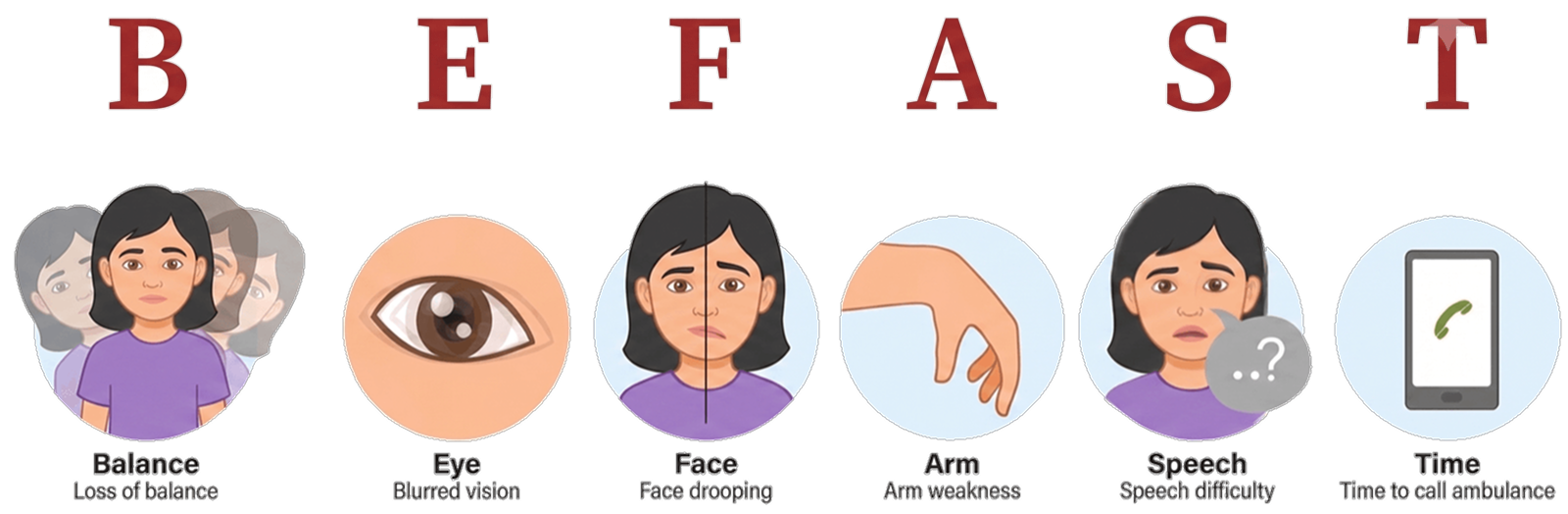
EMTs commonly use the BEFAST assessment (Balance, Eyes, Face, Arms, Speech, Time) to identify potential stroke symptoms. While effective, BEFAST relies on observable behaviors — which can sometimes be misleading.
Stroke-like symptoms can be caused by other conditions, and some stroke patients may not present obvious symptoms at all. Without objective neurological data or comprehensive patient history, EMTs face real uncertainty determining whether a patient is truly experiencing a stroke.
“How might we help EMTs make faster, more confident stroke assessments in the field — without adding complexity to an already stressful workflow?”
Validation from the people who'd use it.
We validated the concept through iterative feedback with an EMT participant: pairing patient history, EEG insights, and the BEFAST workflow could raise field-assessment confidence without adding cognitive burden.
Taken to a pilot, the potential impact extends to:
Faster stroke identification
Objective data alongside behavioral cues.

Diagnostic confidence
Less guesswork under pressure.
Earlier hospital prep
Treatment teams ready on arrival.
Stroke-to-treatment time
Minutes saved, neurons preserved.
Three themes reframed the design.
Interviews with practicing EMTs and people affected by stroke surfaced three findings:
BEFAST builds confidence but doesn't guarantee it
Behavioral symptoms can be ambiguous, and EMTs don't always feel sure of their call.
Context matters as much as symptoms
Medical history changes how a behavior reads — a stroke-like sign may be a pre-existing condition.
Every minute of delay compounds
Hospitals often get incomplete info before arrival, leaving less time to prep treatment.
“The problem wasn't simply identifying strokes — it was helping EMS teams make informed decisions with greater confidence and communicate critical information earlier.”
Four principles for designing under pressure.
Increase diagnostic confidence
Provide objective data alongside behavioral assessments.
Reduce cognitive load
Present complex EEG information in a way non-specialists can quickly understand.
Support existing workflows
Integrate with BEFAST rather than replacing it.
Enable faster hospital prep
Share critical patient information before arrival.
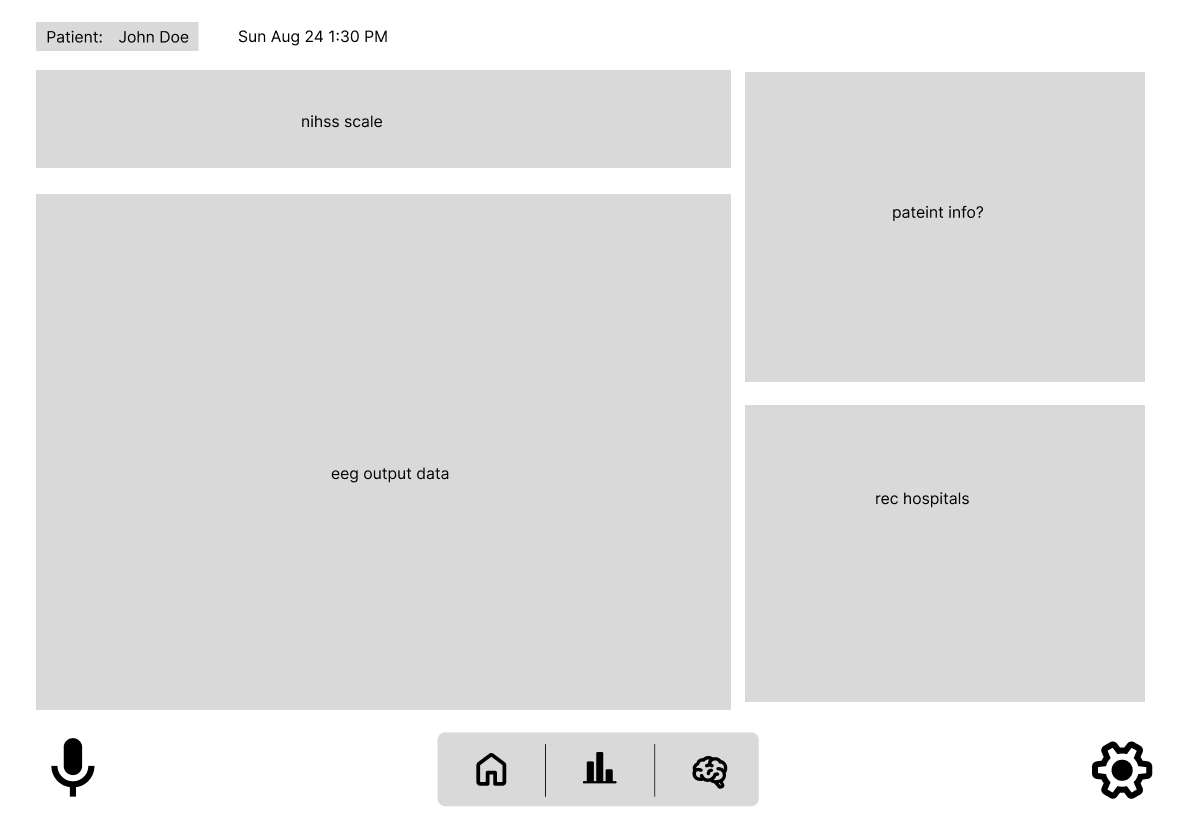
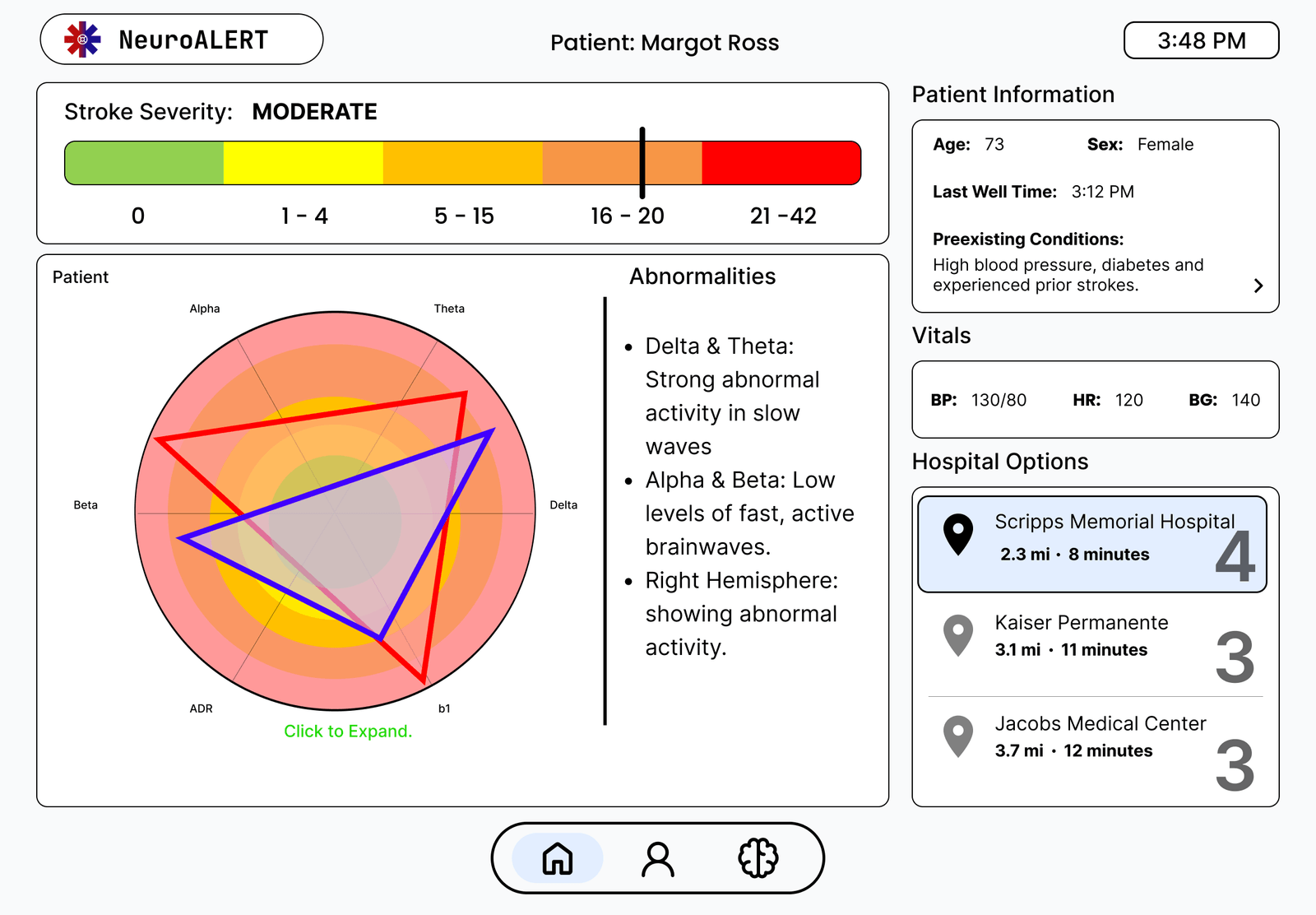
An EMS-facing app built into the BEFAST workflow.
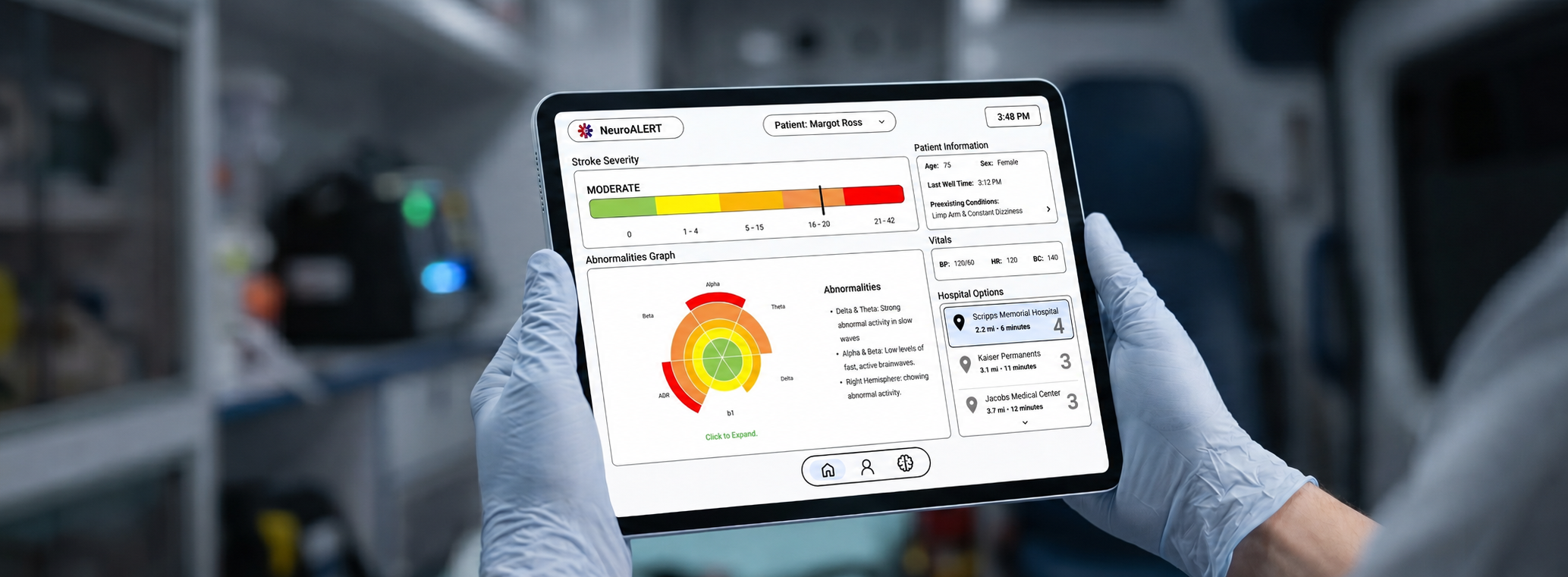
NeuroALERT pairs four design decisions — each grounded in what we heard from EMTs — to reduce uncertainty without adding cognitive load.
Built into the protocol, not around it.
EMTs document symptoms in a flow that mirrors their existing BEFAST process — so it fits current practice instead of replacing it.
Neurological activity, made readable.
Raw EEG output becomes readable indicators and abnormality summaries — no technical interpretation required mid-care.
Hands-free history, captured in real time.
Voice input records and transcribes patient history, cutting manual entry while preserving context under time pressure.
Route to the right facility, ahead of arrival.
Recommends nearby stroke-capable facilities and sends patient details ahead of arrival, so treatment teams are ready.
Designing for high-stakes environments changed how I think about clarity.
Before this project, stroke care felt like an abstract medical problem. Working alongside neuroscientists, EMTs, and individuals directly affected by stroke turned it into a deeply human challenge.
Unlike consumer products, healthcare tools must balance clarity, speed, accuracy, and trust simultaneously. Designing the interface was only part of the challenge — the real work was understanding what information mattered most and how to surface it at the right moment.
What I'm carrying forward.
Research as a north star
Letting user insights drive product decisions from concept to solution.
Cross-disciplinary collaboration
Translating between neuroscience, medicine, and design.
Design under pressure
Balancing clarity, speed, accuracy, and trust simultaneously.
Information triage
Knowing what to surface, and when.